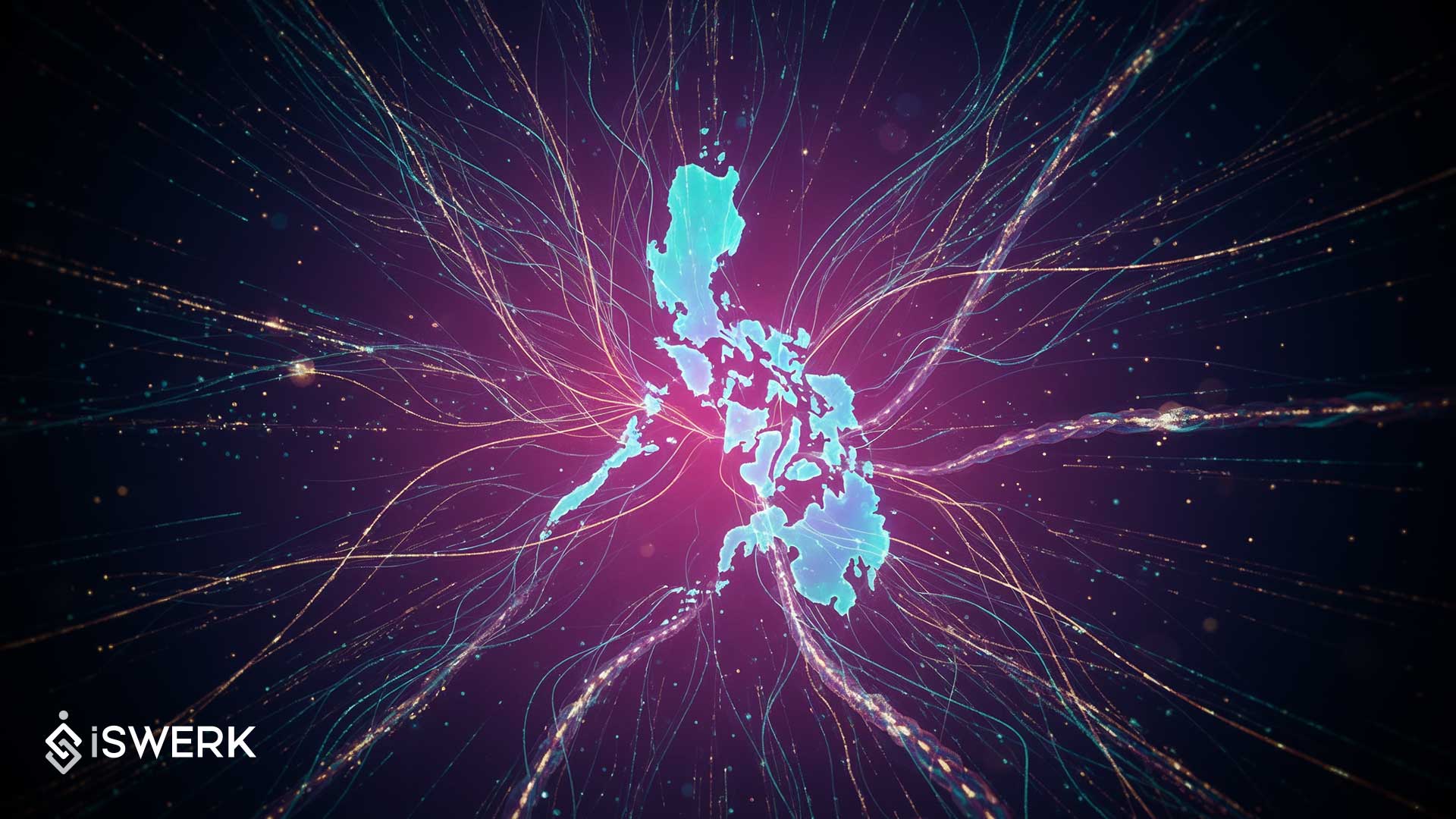
Remote work has rewritten the global playbook for building a team. The question is no longer if you should tap into global talent, but where and how to do it strategically. For years, the Philippines has been a global outsourcing powerhouse. But as we look toward 2026, the narrative has evolved far beyond traditional call centers.
Today, the Philippines’ remote work ecosystem offers a mature, sophisticated, and future-proof solution for businesses seeking not just cost efficiency, but a genuine competitive edge through high-caliber talent.
Why the Philippines?
Why choose the Philippines for your remote staffing needs? The modern answer is a multifaceted strategic advantage.
A Deep Bench of Specialized Talent
Gone are the days when the Filipino talent pool was synonymous with generalist customer service roles. The 2026 landscape is defined by specialization. The country is now a leading source for:
Tech & IT Talent: A rapidly growing cohort of full-stack developers, cloud engineers (AWS, Azure), DevOps specialists, cybersecurity analysts, and data scientists.
Digital Marketing Expertise: SEO/SEM strategists, content marketers, social media managers, and performance analysts fluent in global platforms.
Creative Powerhouses: UX/UI designers, video editors, motion graphics artists, and multimedia creators.
Advanced Support & Operations: Executive assistants, project managers, bookkeepers, and operations coordinators who function as true extensions of your leadership team.
This depth allows you to build not just a support function, but core components of your business offshore.
Cultural Synergy as a Force Multiplier
The benefits of hiring in the Philippines are deeply rooted in people and culture. Filipino professionals are renowned for their:
High English Proficiency & Communication: A legacy of education and media ensures nuanced, clear, and professional communication, minimizing misunderstandings.
Western-Aligned Work Ethic: A strong cultural emphasis on education, respect, and a “can-do” attitude aligns seamlessly with North American, European, and Australian business cultures. They are proactive, resourceful, and deeply service oriented.
Resilience & Adaptability: Having navigated the global shift to remote work early and en masse, Filipino remote workers are exceptionally adaptable to new tools, processes, and challenges.
This cultural fit drastically reduces managerial friction and accelerates team cohesion, making remote teams in the Philippines feel like a natural extension of your headquarters.
Top 5 Remote Staffing Trends Shaping 2026
The future of remote staffing is being written now.
Here are the key remote work trends that forward-thinking companies are leveraging:
The Rise of the Hybrid Team Model
The binary choice of “all in-office” or “all remote” is fading. The 2026 model is hybrid: blending onshore leadership with dedicated Philippines remote teams for execution, development, and support.
The Philippines’ time zone (GMT+8) is a strategic asset, enabling follow-the-sun operations for US companies and highly productive overlap with Australian and Asian markets.
The Quality-over-Quantity Shift
Businesses are moving away from hiring large numbers of entry-level roles. The focus for 2026 is on recruiting fewer, but more skilled and senior, remote professionals for mission-critical projects.
This trend demands a partner with a vetting process rigorous enough to identify both technical excellence and soft skills essential for remote work.
The Shift to AI-Competent, High-Value Roles
Remote staffing now assumes fluency. Top Filipino talent is expected to be proficient in modern collaboration ecosystems from day one—whether it’s Slack and Zoom for communication, Notion and Asana for project management, Figma for design, or GitHub and Jira for development.
Businesses are also moving beyond hiring for repetitive tasks. The focus for 2026 is on recruiting professionals who possess AI competency alongside deep domain expertise. This means hiring data-savvy marketers, developers who pair-program with AI, and customer support specialists who use AI to handle complexity and escalate with context.
This trend demands a partner with a vetting process that can assess both technical skills and the ability to leverage AI tools effectively.
Elevated Focus on Remote Employee Experience (EX)
Retention is the new recruitment. The leading benefit of hiring in the Philippines is access to loyal, long-term team members—but only if they are engaged.
Companies are now intentionally investing in the remote employee experience: clear career pathways, regular feedback, virtual team-building, and inclusive culture initiatives. This is a vital shift from the outdated “out of sight, out of mind” approach.
Security & Compliance as a Table Stake
With rising cyber threats and stringent global regulations, robust data security and legal compliance are non-negotiable. This goes beyond an NDA. It encompasses secure hardware protocols, enterprise-grade VPNs, GDPR/Data Privacy Act awareness, and formal compliance frameworks. In 2026, your remote staffing partner’s security posture is a direct reflection of your own.
Positioning Your Business for the Future
The Philippines’ remote work landscape in 2026 presents a powerful, strategic opportunity. It combines a deep and specialized Filipino talent pool with a culture of alignment and an infrastructure ready for the future of work. The trends are clear: specialization, integration, and strategic partnership are paramount.
Understanding this “why” is the essential first step. The next step is mastering the “how”—navigating the practicalities of recruitment, legal employment frameworks like Employer of Record (EOR), and fostering seamless team integration to truly unlock this potential.
Ready to move from insight to action?
Explore how iSWerk, a premiere remote staffing expert in the Philippines, help you conquer your 2026 business goals with confidence.